

Infrastructure and industrial areas
Structural and geotechnical monitoring
Automated remote monitoring is an integral part of modern infrastructure construction and industrial risk management. Monitoring enhances safety, supports quality assurance, and reduces costly surprises throughout the entire project lifecycle. We design and implement monitoring systems for a wide range of applications — from construction sites and industrial facilities to urban infrastructure.
Infrastructure projects
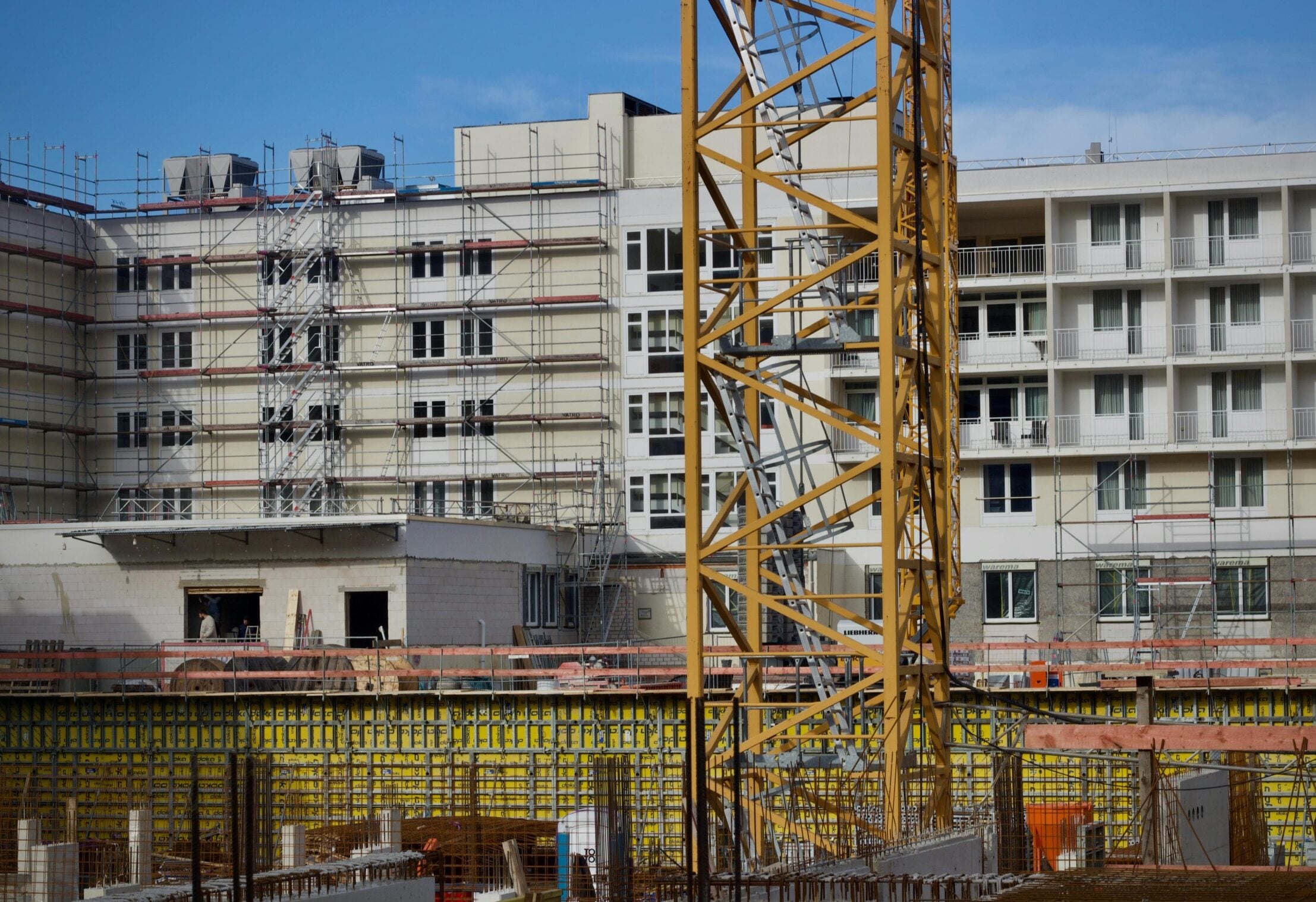
In demanding infrastructure projects, real-time measurement data on structures and conditions can significantly improve both safety and cost-efficiency. Monitoring ensures that designed structures perform as expected and meet the requirements set for the site. Typical parameters under monitoring include displacements, settlements, pore water pressures, and anchor forces.
Automated measurements simplify monitoring, reduce manual work, and minimise the risk of human error. Data sharing with different stakeholders is straightforward through a single system with adjustable access rights.
Rail
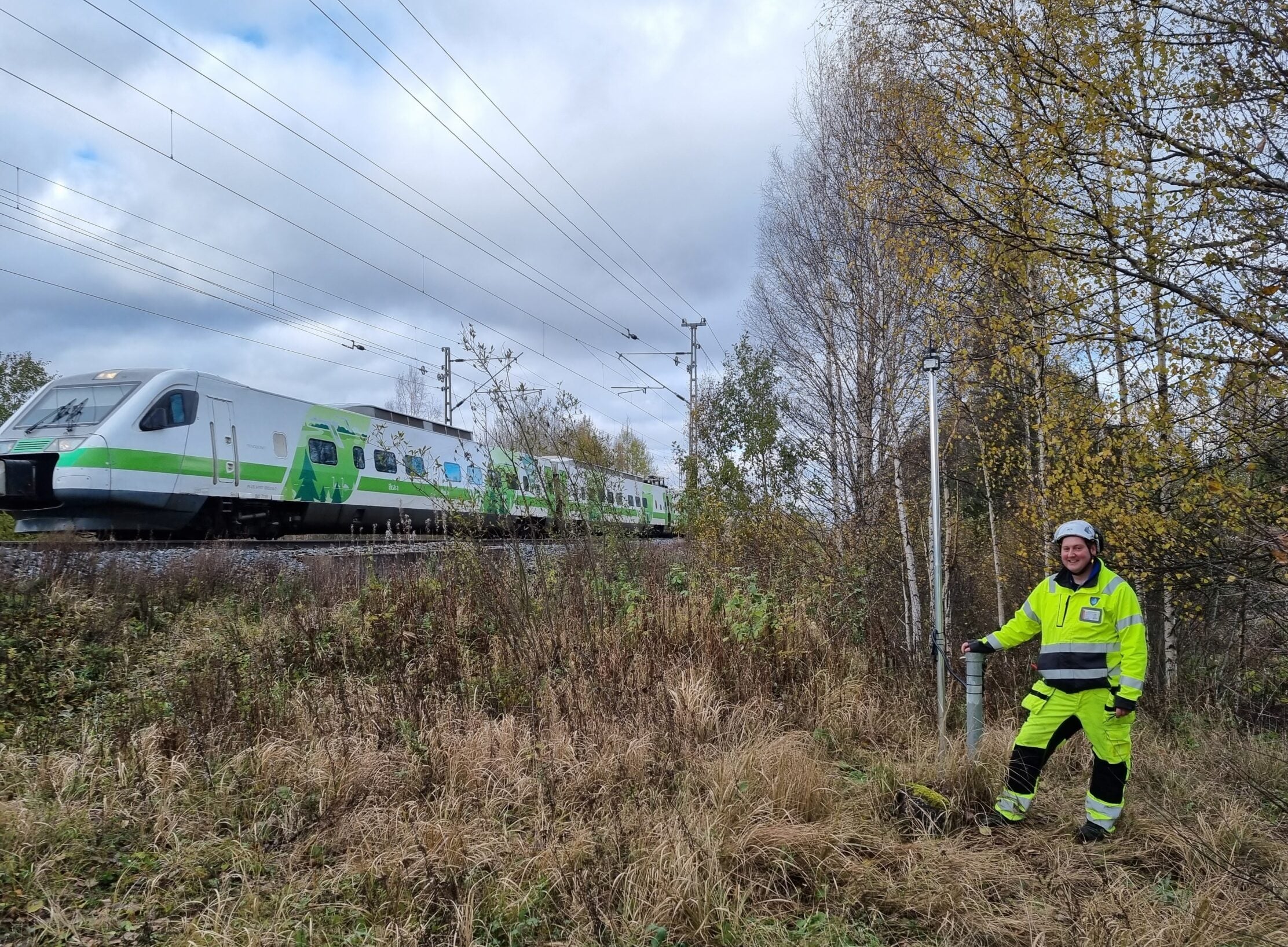
Changes in track geometry are monitored using tiltmeters, which measure inclination changes in rails and sleepers in real time. Automatic alerts triggered at predefined threshold values enable rapid response to anomalies — even on live, operational tracks.
Pore water pressure and settlement measurements reveal ground movements before they manifest in the track structure itself. In tunnels and on bridges, displacements and deformations are additionally monitored using accelerometers and GNSS measurements.

Geotechnical monitoring
Geotechnical monitoring automatically provides data on soil and structural behaviour throughout the entire project lifecycle. Continuous pore water pressure measurement is a key tool for assessing the stability of embankments, retaining walls, and excavation walls — particularly in extreme conditions and exceptional situations. For monitoring ground movements and structural displacements, we utilise tilt sensors, inclinometers, and GNSS measurements.
Our monitoring stations operate on independent power supply and data transmission even in hard-to-reach locations, and alert thresholds can be set individually for each parameter in line with the site’s design values. All data can be monitored in near real time through our browser-based cloud service.
Water utilities
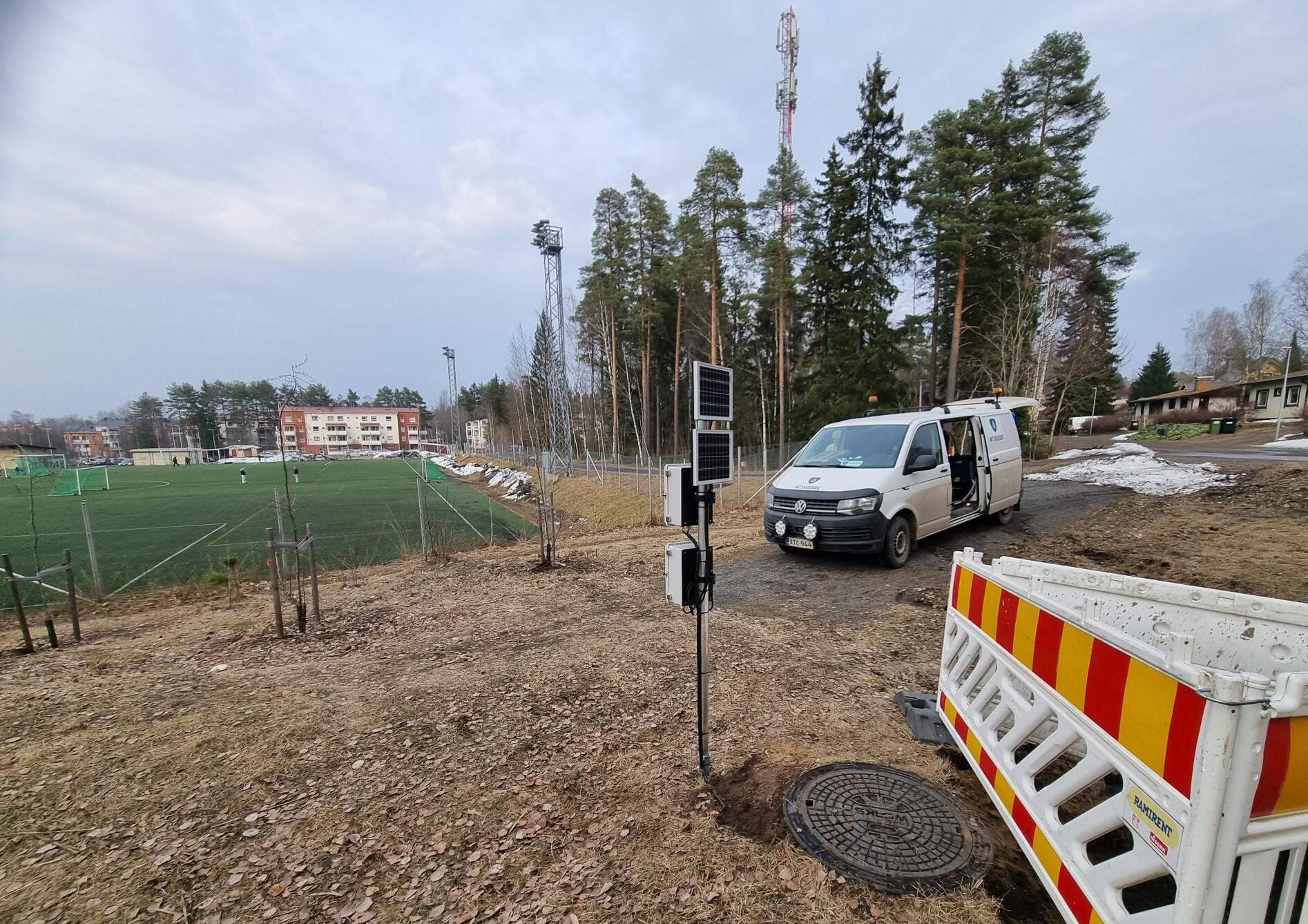
We implement water level, flow, and water quality measurements suited to the needs of water utilities, both in natural water bodies and urban environments. Designed for field conditions, the monitoring systems operate on independent battery power and data transmission without mains electricity or automation systems.
Monitoring of water levels and water quality in groundwater areas helps identify situations that pose risks or cause changes to raw water intake. Flow and water quality measurements can also be carried out at various points in the distribution network, in both pressurized and partially filled pipes. Various water quality parameters can further be used to detect potential combined sewer overflow (CSO) situations or wastewater leaks to surrounding water bodies.